Do You Need Active Recovery After HYROX, or Is Complete Rest Better?
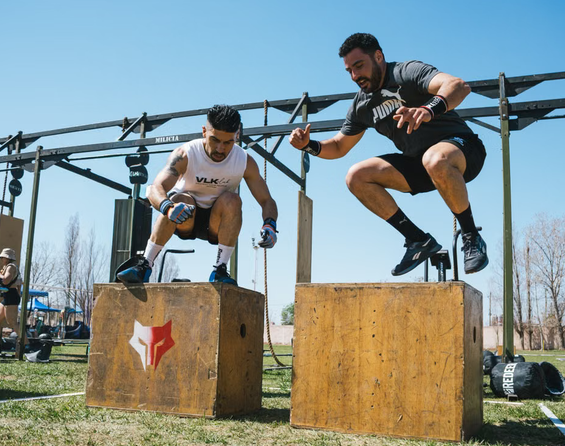
You just survived sled pushes, burpee broad jumps, rowing, running, and enough lunges to make your legs file a formal complaint. Congratulations! HYROX is a serious physical challenge, and the recovery period deserves just as much attention as race day. But should you move the next day gently or park yourself on the sofa like a champion who has retired at age thirty? The answer depends on your fatigue, soreness, and how hard your body worked.
Why HYROX Demands Serious Recovery
HYROX combines running with demanding functional exercises, placing stress on your muscles, cardiovascular system, and energy reserves. Repeated running impacts your legs, while sled pushes, lunges, and wall balls challenge your muscles in different ways. After a race or intense simulation, you may experience delayed-onset muscle soreness, commonly called DOMS. This discomfort often peaks around 24 to 72 hours after strenuous exercise. Recovery gives your body time to repair damaged muscle tissue and replenish energy stores. Skipping that process can leave you sluggish, reduce workout quality, and increase the chance of overuse injuries. Your determination might be ready for another session, but your tissues may still be holding a staff meeting about what happened. Respecting that gap helps you train consistently instead of repeatedly digging yourself into a fatigue hole.
When Active Recovery Makes Sense
Active recovery involves gentle movement that keeps you comfortable without creating another demanding workout. Easy walking, relaxed cycling, gentle mobility exercises, and light swimming are useful options. These activities can increase circulation and help reduce the feeling of stiffness after a tough session. The key word is easy, not “accidentally enter another competition because the playlist got exciting.” Try 10 to 30 minutes of gentle movement if you feel tired but can move comfortably. Keep the intensity low enough to hold a normal conversation without gasping between sentences. If your soreness eases as you move, that can be a useful sign that light activity feels appropriate. Stop if pain worsens, your movement changes, or you feel unusually weak or dizzy.
When Complete Rest Is the Better Choice

Sometimes, the smartest training decision is to do absolutely nothing athletic. If you’re exhausted, struggling to sleep, unusually sore, or feeling run-down, take a rest day. Rest is also sensible when normal movement feels difficult, or your body hasn’t recovered from several hard sessions. You won’t lose your fitness because you skipped one workout; your muscles aren’t going to pack their bags and leave. Distinguish ordinary muscle soreness from signs of a possible injury. Sharp or localized pain, significant swelling, worsening symptoms, or difficulty bearing weight deserve medical assessment. After all, you still need to seek urgent care for severe muscle pain or swelling accompanied by dark, cola-colored urine, as these can signal a serious condition called rhabdomyolysis. Don’t try to sweat through alarming symptoms just to protect your training streak.
Fuel, Hydration, and Sleep Still Matter
Neither active recovery nor complete rest works well if you neglect the basics. Eat enough to support your training, including carbohydrates to replenish energy and protein to support muscle repair. Drink fluids regularly, particularly after a sweaty race, and replace electrolytes when prolonged exercise or heavy sweating makes that necessary. A recovery shake can be convenient, but it isn’t a magic potion brewed by fitness wizards. Sleep is another powerful part of the recovery process. Aim for a consistent sleep schedule and allow extra rest if you feel unusually drained. Gentle movement cannot compensate for chronic sleep deprivation, and lying down all day won’t fix inadequate nutrition. Think of recovery as a team effort, with movement, food, hydration, and sleep playing different positions.
Bottom Line: Let Your Body Call the Play
After HYROX, active recovery is a good option when you’re mildly sore and generally feel well. Complete rest is better when fatigue is heavy, soreness is limiting, or you need more time to recover. You can also combine both …











 Restless Leg Syndrome (RLS) is a neurological disorder affecting millions worldwide. It is characterized by an uncontrollable urge to move the legs, often followed by uncomfortable sensations such as itching, tingling, or aching. These symptoms worsen at night and disrupt sleep patterns, leading to fatigue and daytime drowsiness. Managing RLS involves both lifestyle changes and medication.
 Unhealthy eating habits are one of the most common causes of obesity. Eating unhealthy food in large portions with high levels of sugar and fat can cause weight gain as well as other health issues. Eating out, regularly consuming processed foods, eating an excess of fast foods, and skipping meals are all considered unhealthy habits that can lead to obesity. Many people think that skipping meals is a way to reduce caloric intake and lose weight. However, it can actually do the opposite. Skipping meals can lead to increased hunger that causes people to over-eat when they finally eat – leading to weight gain. If you want to lose weight, it is essential to have a healthy and balanced diet plan.
 Lack of physical activity is another major factor in obesity. While physical activity is essential for maintaining a healthy weight, many people simply do not get enough exercise or are just not active enough. People who work in office environments may sit all day, which can lead to significant weight gain over time. Similarly, those who do not exercise regularly will likely find it more difficult to lose weight and maintain a healthy weight. To combat this, it is important to find ways to incorporate physical activity into your daily routine, like taking regular walks or joining a gym class. Take the time to include physical activity as part of your lifestyle.
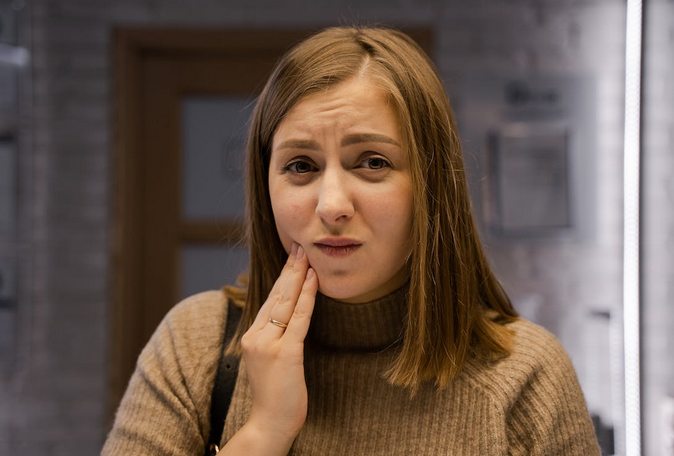 One of the most common risks associated with untreated cavities is tooth infections. The bacteria and acid created by the cavity can reach deeper areas of the teeth, leading to an infection that can cause immense pain and swelling. When left untreated, this infection may spread to the jawbone and other areas of the face, leading to serious health complications. The untreated infection that spreads to these deeper areas can cause life-threatening issues, including sepsis and even death.
 Another risk associated with untreated cavities is an increased risk of heart disease. As the bacteria from the cavity flow into your bloodstream, it may put extra strain on your heart as it pumps harder to fight off the infection. This puts stress on the arteries, leading to serious heart conditions like stroke and atherosclerosis. As a result, untreated cavities can drastically increase your risk of developing heart disease or having a fatal cardiac event.
 Before you start incorporating testosterone booster supplements into your routine, it’s essential to consult with a healthcare professional. While these supplements can offer numerous benefits, it’s crucial to ensure they suit your specific needs and health condition. A healthcare professional will be able to evaluate your medical history, current medications, and any underlying health issues that may impact the use of testosterone boosters.
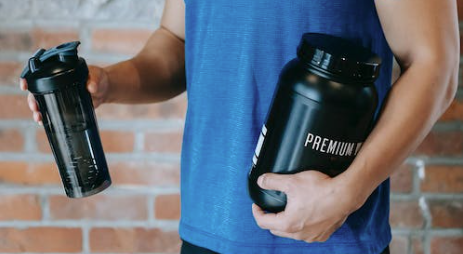 When choosing testosterone booster supplements for optimal muscle gain, one of the most important factors is selecting reputable brands. With so many available options, it can be overwhelming to determine which brands are trustworthy and effective. However, by researching and considering a few key factors, you can ensure that you are making a safe and informed choice. Look for brands that have been around for a while and have a good reputation within the fitness community. Established brands often have a track record of producing high-quality products that deliver results.